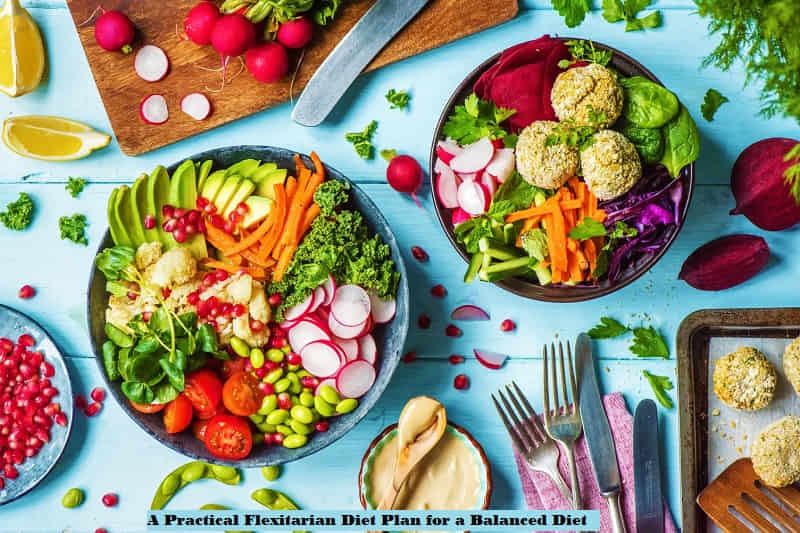
A flexitarian diet plan is a plant-based eating plan that still allows for small portions of meat. This approach emerged as an alternative for those looking to reduce their meat intake without completely abandoning it. The main focus is on increasing fruits, vegetables, nuts, and whole grains. This diet is suitable for beginners who want to transition to a healthier lifestyle without drastic changes.
Basic Concepts of the Flexitarian Diet Plan
Its flexibility makes it easy to implement in your daily life. There are no strict rules regarding calorie intake or meal schedules. The basic principle simply emphasizes larger portions of plant-based foods than animal-based foods. This is why this diet is a popular choice for those seeking a healthier lifestyle without feeling restricted.
Frequently cited data indicates that people who adopt a plant-based diet have a 32% lower risk of heart disease than non-vegetarians. This figure helps reinforce the benefits of a semi-vegetarian approach.
Key Principles of the Flexitarian Diet
The flexitarian diet plan emphasizes consuming whole, minimally processed foods. Vegetables, fruits, whole grains, and plant-based protein sources form the main components of the daily plate. Animal foods are still permitted, but portions are reduced to make more room for plant-based nutrients.
Balance is key in implementing this meal plan. Plant-based proteins like tofu, tempeh, lentils, and peas are the focus because they are low in calories but high in nutrients. It is also recommended to limit the intake of added sugars and sweets.
This approach helps the body get complete nutrition without depriving itself of favorite foods. The freedom of choice makes this diet feel more natural and easier to follow long-term.
Stages of Implementing a Flexitarian Diet
There are three simple stages to begin the transition to a flexitarian diet. The first stage recommends two meat-free days per week. At this stage, total meat consumption is limited to 800 grams per week.
The second stage of the flexitarian diet plan involves increasing the number of vegetarian days to 3–4 days per week. On the remaining days, meat consumption is recommended to be no more than 500 grams. This gradual transition helps the body adapt without feeling overwhelmed.
The final stage involves implementing five vegetarian days per week. On the remaining two days, limit your meat portion to a maximum of 250 grams. This gradual approach makes a plant-based diet easier to become a habit.
Food Recommendations in the Flexitarian Diet
A daily menu on a flexitarian diet plan should be rich in non-starchy vegetables such as carrots, bell peppers, and cauliflower. Add starchy vegetables like sweet potatoes and corn for a steady source of energy. Fresh fruit is a natural complement, rich in fiber and antioxidants.
Plant-based protein sources should be a top priority. Tofu, tempeh, lentils, and beans provide complete nutrition and keep you fuller for longer. Whole grains like quinoa, oatmeal, and brown rice provide fiber and keep blood sugar stable.
Animal products can still be consumed in moderation. Recommended choices include chicken, eggs, fish, and dairy. This combination keeps the menu varied without compromising the key benefits of a plant-based diet.
Health Benefits of the Flexitarian Diet
The flexitarian diet plan supports weight loss by limiting high-calorie processed foods. Increasing plant-based intake naturally reduces daily calorie intake without starving. Fiber from vegetables and fruit helps maintain a feeling of fullness for longer.
This diet also supports heart health. The fiber and antioxidants in plant-based ingredients help lower blood pressure and bad cholesterol. Consuming less meat reduces the risk of chronic disease.
Another benefit comes from stable blood sugar levels. A high-fiber diet helps prevent insulin resistance. Combined with balanced nutrition and an active lifestyle, this diet supports energy throughout the day.
The YouTube account @peacehealth reviews how the flexitarian diet prioritizes plant-based foods with limited portions of animal products. This diet is rich in fiber and antioxidants, making it good for heart health. Its nutritional content helps lower cholesterol and reduce the risk of cardiovascular disease.
This diet also supports weight management because it is lower in calories and minimizes processed foods. Consuming vegetables, fruits, nuts, and whole grains keeps the body fuller for longer. This diet helps maintain stable energy levels.
Another benefit of the flexitarian diet is a reduced risk of type 2 diabetes. High fiber helps control blood sugar and improves insulin sensitivity. A plant-based diet has a protective effect on metabolism.
This diet also reduces the risk of cancer, especially colorectal cancer. Reducing red and processed meat reduces inflammatory triggers in the body. A cleaner, more balanced diet offers long-term protection.
Carb Diet vs. Flexitarian Diet: Which is Better for Your Health?
Carb diets and flexitarian diets are both beneficial, but their approaches differ. A carb diet emphasizes reducing carbohydrate consumption to control weight and blood sugar. This pattern is thought to help prevent obesity, diabetes, and cardiovascular disease. Other effects include increased HDL and decreased triglycerides.
A flexitarian diet emphasizes plant-based foods while still allowing room for animal products. This diet is rich in fiber and antioxidants, which are good for heart health. The risk of diabetes and cancer can be reduced due to a more balanced diet. Weight loss also tends to be more stable.
In general, a flexitarian diet is more suitable for the long term. The pattern does not restrict certain food groups, making it easier to follow. A carb diet is still effective, especially for weight and blood sugar control. However, its strictness makes it difficult for everyone to follow.
This is a review of how the flexitarian diet plan can be easily implemented. Its flexible approach makes it suitable for anyone looking to improve their quality of life through a more balanced diet. /nrm