Nutrient dense breakfasts are increasingly needed, especially for those who want to maintain their weight and stay energized throughout the day. Choosing the right menu can help your body stay balanced without feeling overly hungry. Every morning meal should contain protein, fiber, vitamins, and complex carbohydrates. This way, your body receives energy gradually without spikes in blood sugar.
According to one study, consuming a high-protein breakfast can help reduce hunger for several hours after eating. This fact demonstrates the importance of starting the day with nutritious foods.
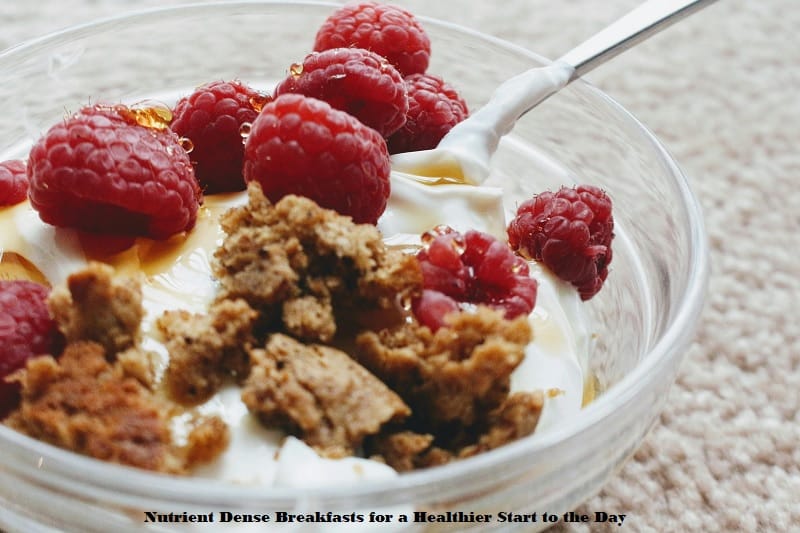
Understanding Nutrient Dense Breakfasts
A healthy, nutrient-rich breakfast is one that contains more nutrients than calories. This helps you feel full quickly without causing a spike in the weight. Furthermore, a proper breakfast is also important for maintaining focus and mood throughout the day.
Nutrient-dense foods usually come from natural, minimally processed ingredients. Examples include fruits, vegetables, whole grains, nuts, eggs, and low-fat dairy products. All of these ingredients can support digestive health and maintain blood sugar stability.
Healthy, Nutrient-Rich Breakfast Recommendations
Here are some healthy breakfast options:
1. Boiled Eggs
Eggs contain complete protein, which keeps you full for longer. They also contain vitamin B12 and selenium, which support energy production. You can enjoy them with vegetables or whole-wheat bread.
The YouTube account @HidupSehattvOne explains that eggs are a quick source of protein that helps you feel full longer and supports muscle building. The vitamin B and choline they contain are also beneficial for maintaining brain function. Breakfast with eggs provides stable energy to start the day without feeling hungry quickly. This menu is perfect for a practical and nutritionally balanced breakfast.
2. Oatmeal
Oatmeal is rich in beta-glucan, a soluble fiber that helps control appetite. Its soft texture makes it a great combination with fresh fruit. This menu provides a steady feeling of fullness without excess calories.
3. Bananas
Bananas are high in fiber and healthy, easily digested carbohydrates. One medium-sized banana contains about 3 grams of fiber, which can help keep you full longer. It’s perfect for those looking for a quick and natural menu.
4. Fruit and Vegetable Smoothie
Smoothies provide complete nutrition from a mix of fruit, vegetables, and milk. You can customize this nutrient dense breakfast menu based on the ingredients you have at home. It tastes fresh and is easy to prepare in a short time.
5. Greek Yogurt
Greek yogurt has a higher protein content than regular yogurt. This protein helps suppress hunger for longer. Add grains or fruit for a richer texture.
6. Whole Wheat Bread
Wheat bread contains complex carbohydrates and fiber, which are good for digestion. You can add a thin layer of peanut butter or an egg as a topping. The texture is light but filling.
7. High-Fiber Cereal
High-fiber cereal is perfect for days when time is limited. Choose a low-sugar cereal to avoid triggering hunger quickly. Add low-fat milk to increase the protein content.
8. Chia Seeds
Chia seeds are rich in omega-3s, protein, and soluble fiber. When soaked, chia seeds form a gel that keeps you full longer. You can sprinkle them on oatmeal or yogurt.
9. Mushroom Dishes
Mushrooms are low in calories but high in B vitamins, fiber, and minerals. Dishes like stir-fried mushrooms or mushroom omelets can be a practical option. They taste savory and are easy to combine with other foods.
10. Vegetable Sandwich
Sandwiches filled with vegetables, eggs, or lean meat offer complete nutrition. Choose whole-wheat bread for added fiber. This menu is easy to carry and still filling.
Nutrient-Dense Breakfast vs. Low-Calorie Breakfast: Which is Best for a Diet?
Nutrient dense breakfasts and low-calorie breakfasts are both beneficial for a diet, but their focus is different. A healthy, nutrient-rich breakfast provides steady energy with protein, fiber, and complex carbohydrates. Menus like oatmeal with fruit or eggs on whole-wheat toast help you feel full longer and maintain your metabolism.
Conversely, a low-calorie breakfast helps achieve a calorie deficit. Menus like boiled eggs or a vegetable smoothie are still nutritious but lighter. This helps control your appetite, making weight loss more effective.
You can combine both according to your diet goals. A nutritious breakfast is suitable for maintaining daily energy. A low-calorie breakfast is more appropriate for weight loss. The best choice depends on your individual needs.
A nutrient dense breakfast doesn’t have to be complicated or expensive. The key is choosing ingredients that are minimally processed, rich in fiber, and high in protein. By making a healthy breakfast a habit, your body will feel more energetic and your health goals will be easier to achieve. Hopefully, these recommendations help you start your day with the best choice. /nrm